Building in the age of AI · Evening #2
Faster to build, harder to decide.
What product ownership means now.
AI tooling has made building more accessible. More people can contribute, and more can be shipped in a sprint than used to take a quarter. But accessible does not mean simple — it means the skill required has shifted. The judgment calls that used to happen naturally over a long build cycle now have to happen faster, more deliberately, and without the safety net of time.
That puts more responsibility on product, not less. Prioritisation is no longer just about what the team has capacity to build — it is about what they should build and whether they truly own what they ship. Technical debt accumulates faster when the first version arrives so quickly. Quality requires deliberate ownership now more than ever, because the tooling will not enforce it.
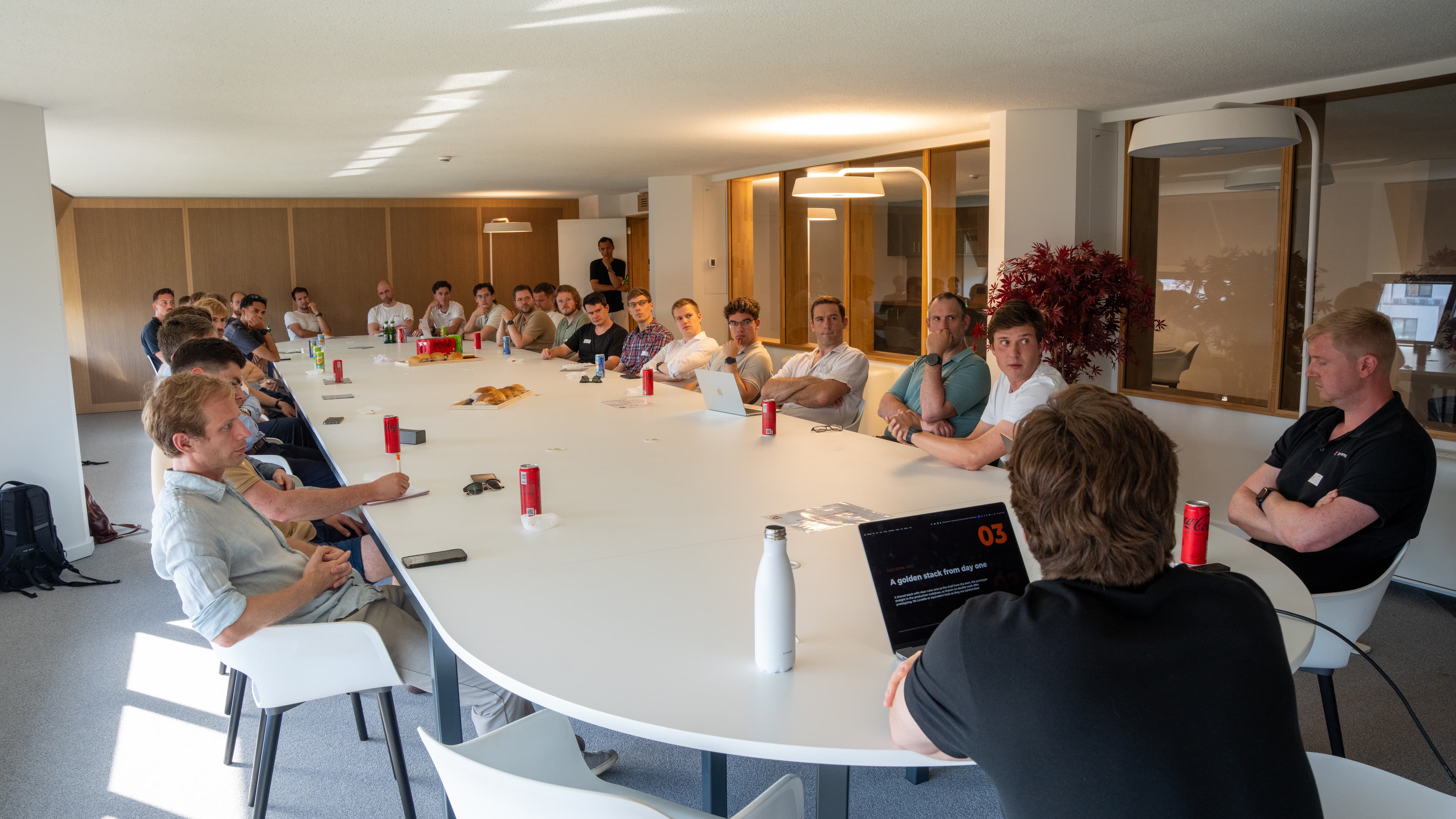
This is the second evening in our series for product and innovation leaders working through exactly this. Panenco opens with what we are seeing, then we hand the room over. The point is the people in it: a few will share one thing they have changed, the rest of us pressure-test it together. Small, curated, discussion-first. 25 seats. Bring a real example.
Wed 30 Sep 2026 · 18:00–21:00 CEST
Panenco HQ · Diestsevest 25 · 3000 Leuven
What we'll discuss
More people can build more, faster. That does not make ownership easier — it makes it harder to avoid. We look at what quality, technical debt, and a coherent product vision actually require when the pace of building has changed but the standards have not.
01
Prioritising when everything feels buildable
When your team can ship a feature in a day and more people can contribute, the hard question is no longer what can we build — it is what should we, and what are we willing to own after it ships. We discuss how product leaders are setting and holding the bar when speed makes everything feel possible.
02
What "done" means now
A working demo is not a finished product, and AI makes the gap easy to miss. We look at how teams are setting and holding the bar for done — quality, test coverage, technical debt — when the first version appears so fast it feels finished.
03
Keeping the product coherent
When more people can build and ship more often, the product accretes faster than the vision can absorb it. We discuss how to hold a coherent product direction and manage technical debt deliberately when the team can say yes to almost anything.
04
Judgement the tooling won't give you
The tools accelerate the build but they do not own the outcome. We look at where the PM still has to insert judgement, taste, and a clear no, and why that role is getting more important, not less.
Agenda
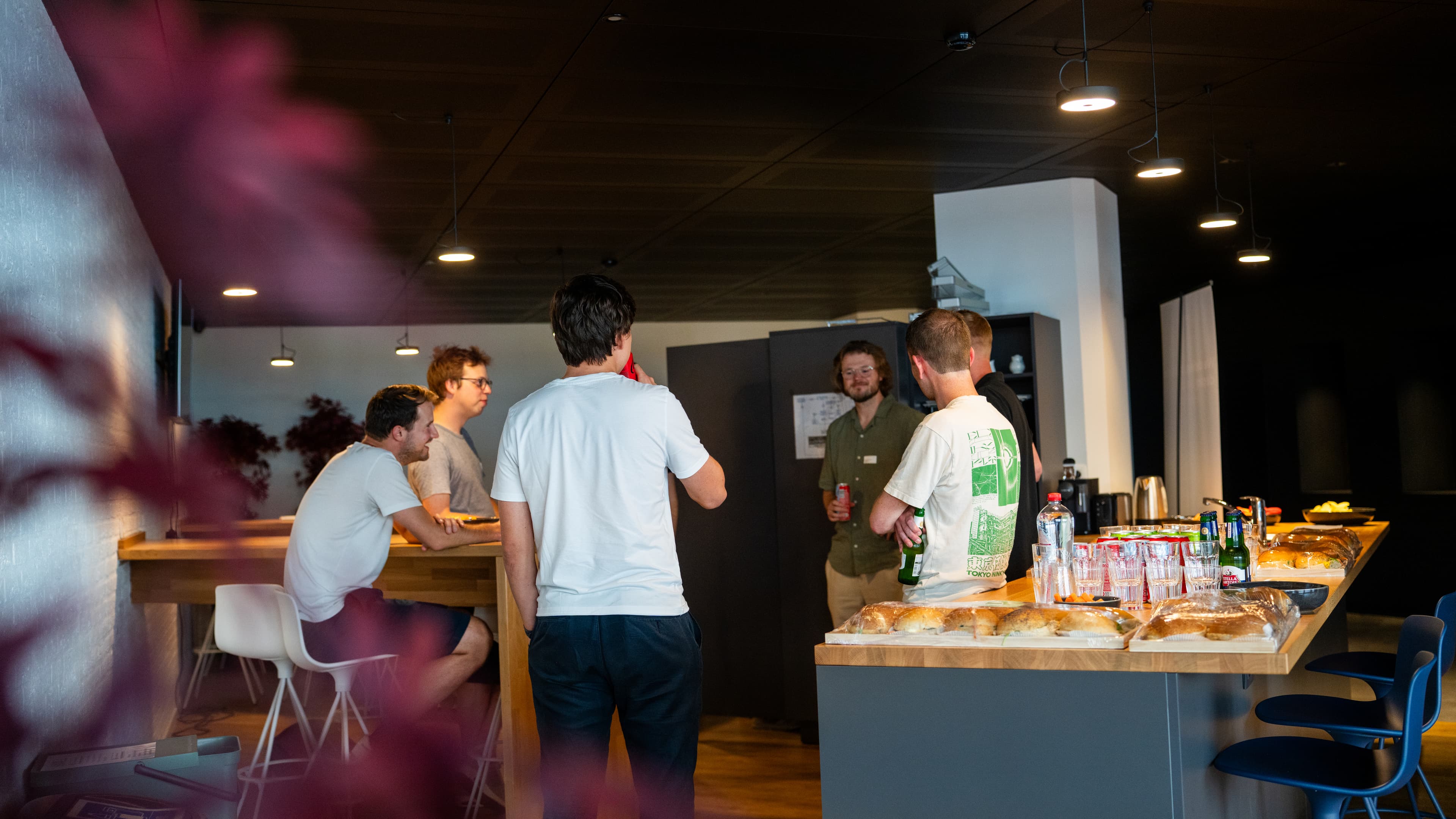
Food and drinks. Programme starts at 18:30.
What we are seeing at the product level: building is more accessible than ever, and that has raised the bar on ownership, quality, and how you handle what accumulates. Three tensions we put to the room, each opened with a real moment.
Name, company, and the one product decision AI has made harder, not easier.
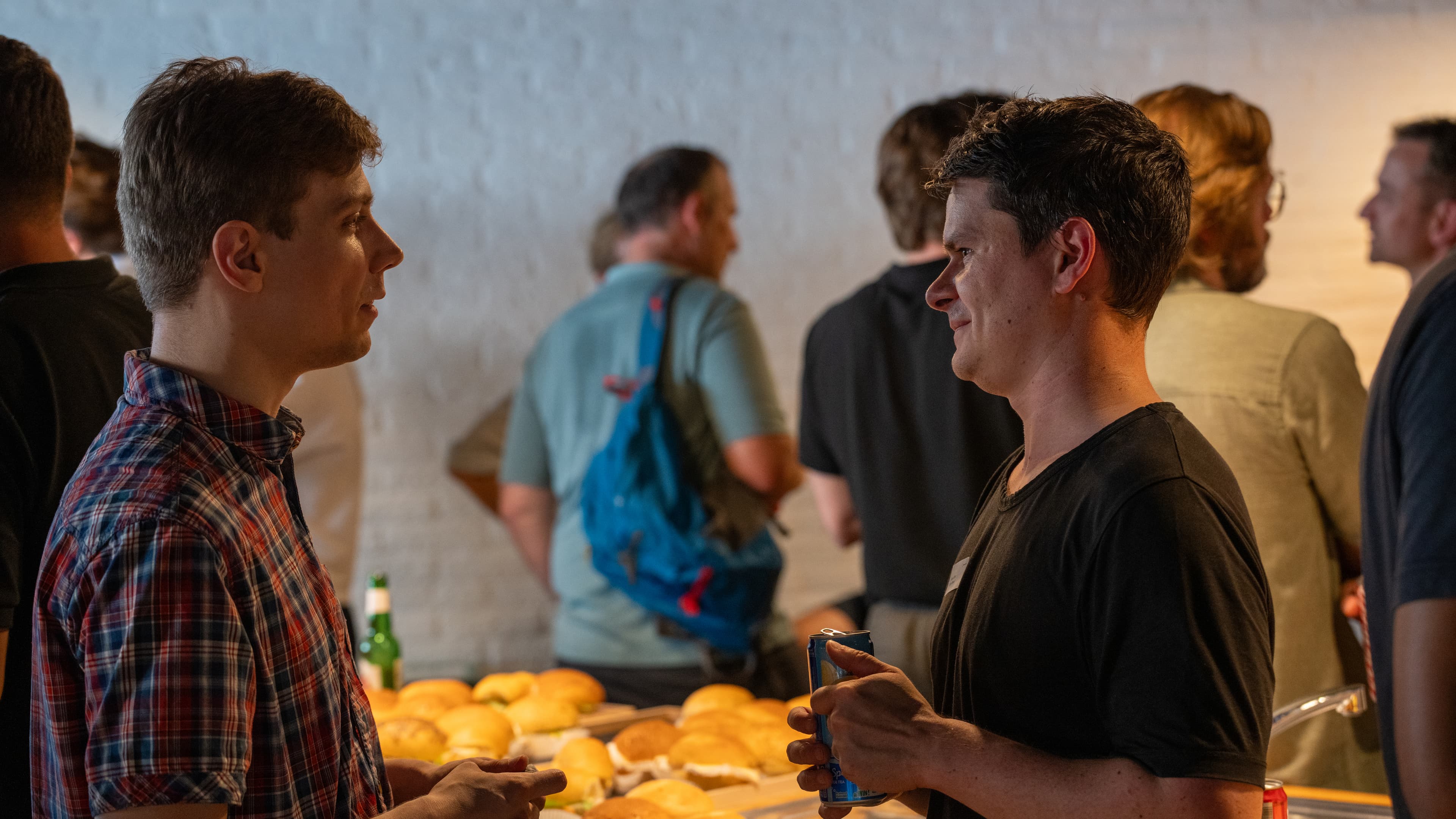
We're open for input from the room. Bring your examples and best practices — we'll work through them together. People can share what they've changed, challenge each other's assumptions, and surface what's actually working.
We capture the sharpest practices in one place and set up the next session.
Networking
until 21:00End
-Registration closed
This event took place on September 30, 2026. Registration is no longer open.
Want to hear about future events?
Sign up for our newsletter →